Prized FindGastropod
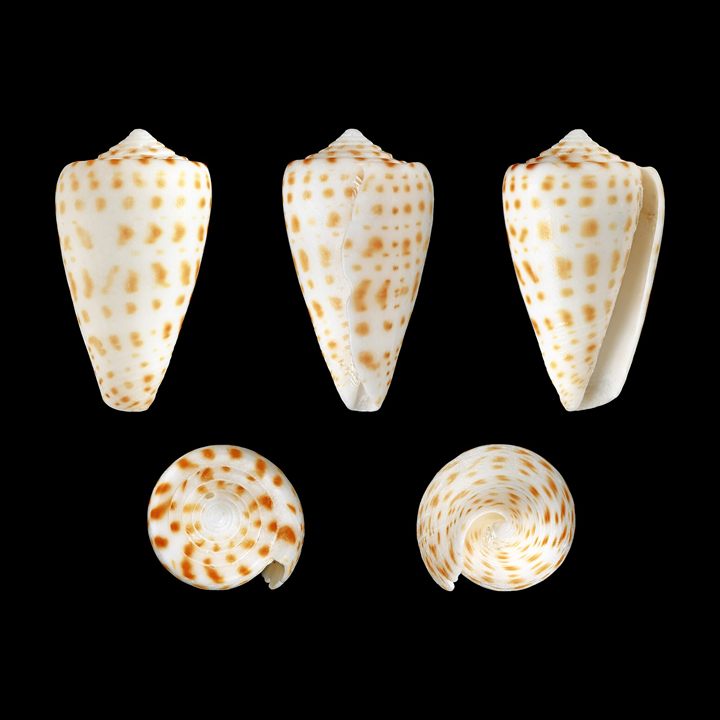
Alphabet Cone
Conus spurius
Flat, almost level spire top with sharp shoulder angles tapering down to a narrow base.
Read Field Guide →Pick a species to see how to identify it, where to find it and which shells it is most often confused with. Not sure what you found? Try the Shell Identifier.
Pre-cache public shell guides, comparison keys, and checklist assets for remote barrier islands.
Flat, almost level spire top with sharp shoulder angles tapering down to a narrow base.
Read Field Guide →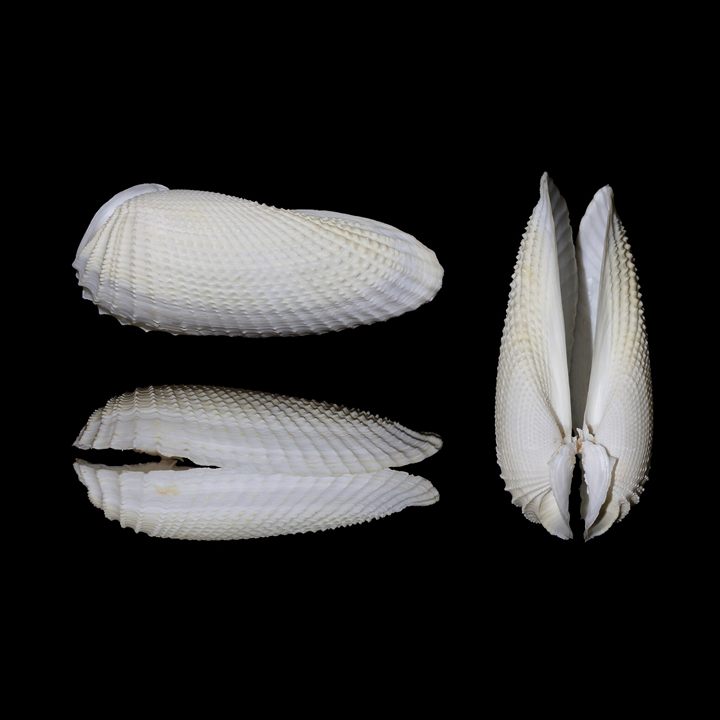
Extremely brittle porcelain white shell. Finding both valves intact together is an extraordinary beachcomber triumph.
Read Field Guide →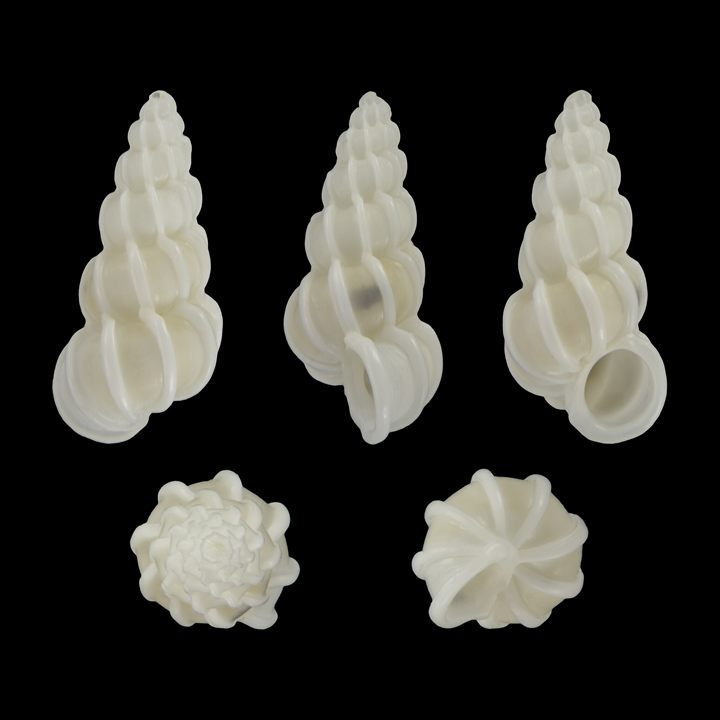
Look for a tall, pointed white spire with sharp vertical ribs that line up from whorl to whorl, and a round aperture with a...
Read Field Guide →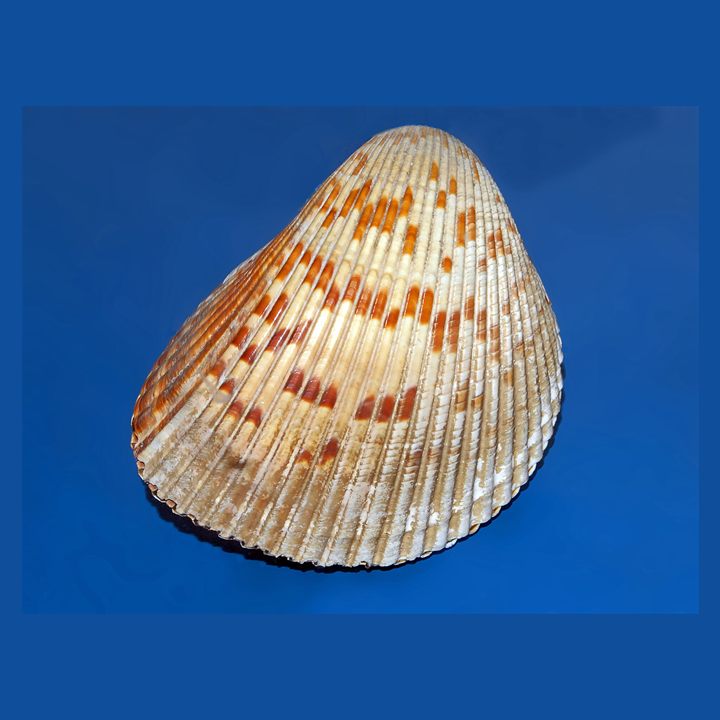
Look for a deep, inflated, heart-shaped valve with many evenly spaced radial ribs and a scalloped edge. Unlike scallops, it has...
Read Field Guide →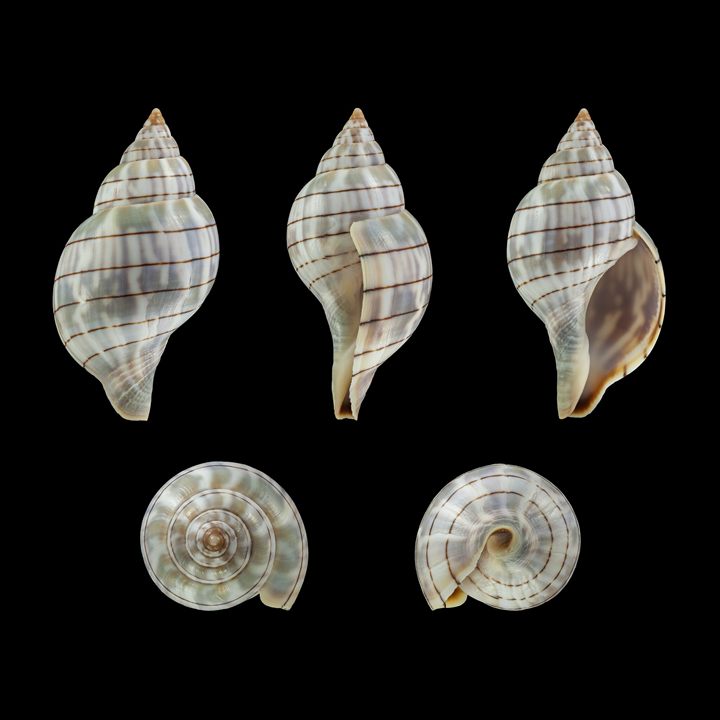
Notice the widely spaced, sharp continuous dark parallel lines. The True Tulip has more crowded, broken lines.
Read Field Guide →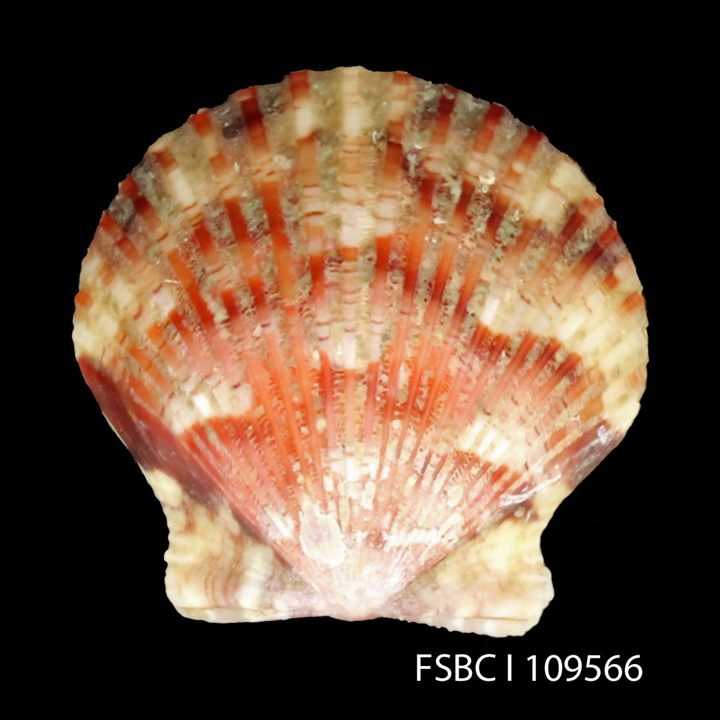
Distinguished by roughly 20 radiating rounded ribs with symmetrical wing-like 'ears' (auricles) at the hinge.
Read Field Guide →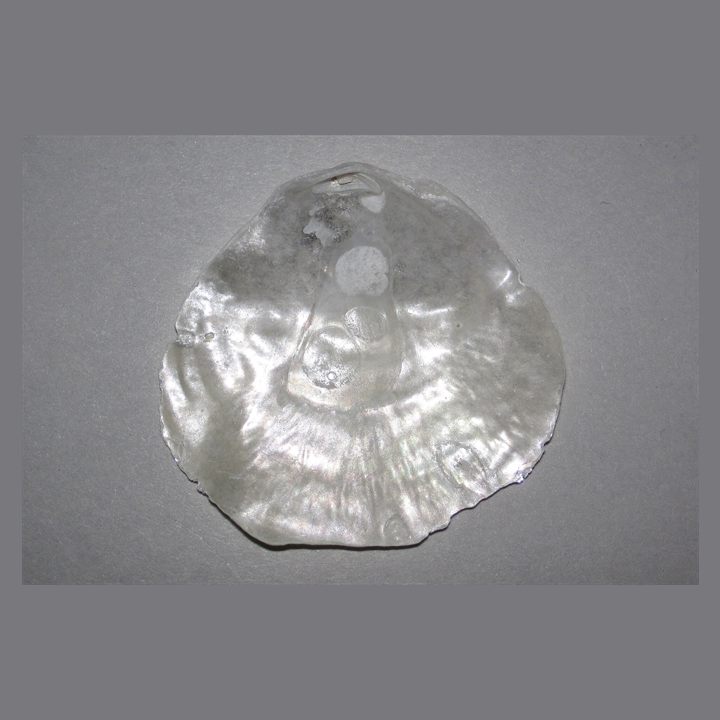
Look for a thin, glossy, irregular oval valve with a pearly sheen. The flat lower valve has a hole near the hinge; the domed...
Read Field Guide →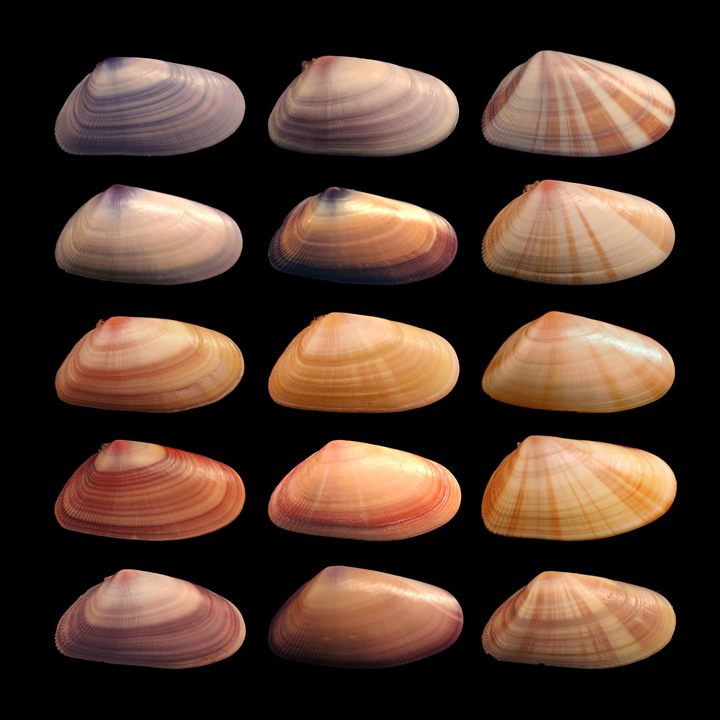
Look for a small, glossy, wedge-shaped valve with one end longer than the other, often with color rays spreading from the hinge...
Read Field Guide →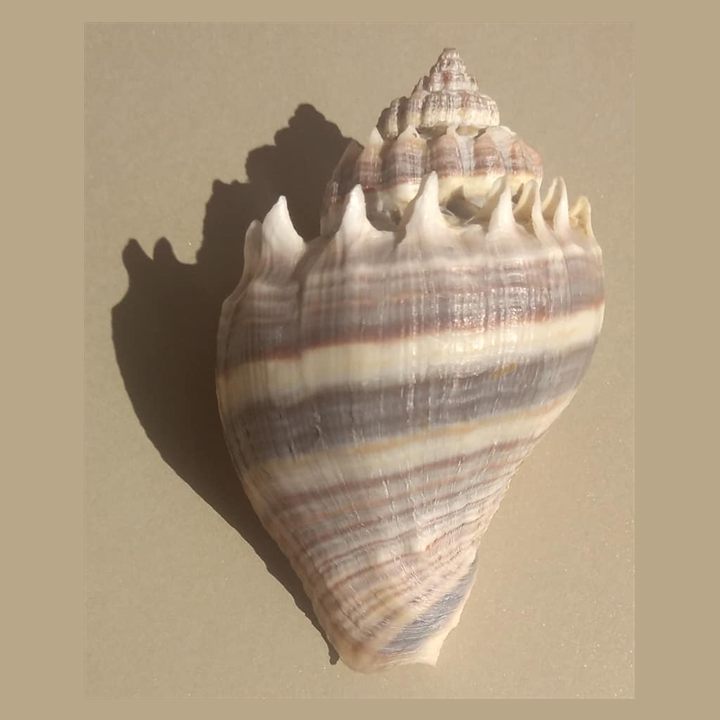
Look for one or more rows of sharp, curved spines on the shoulder, often with a second row near the base. The aperture is wide...
Read Field Guide →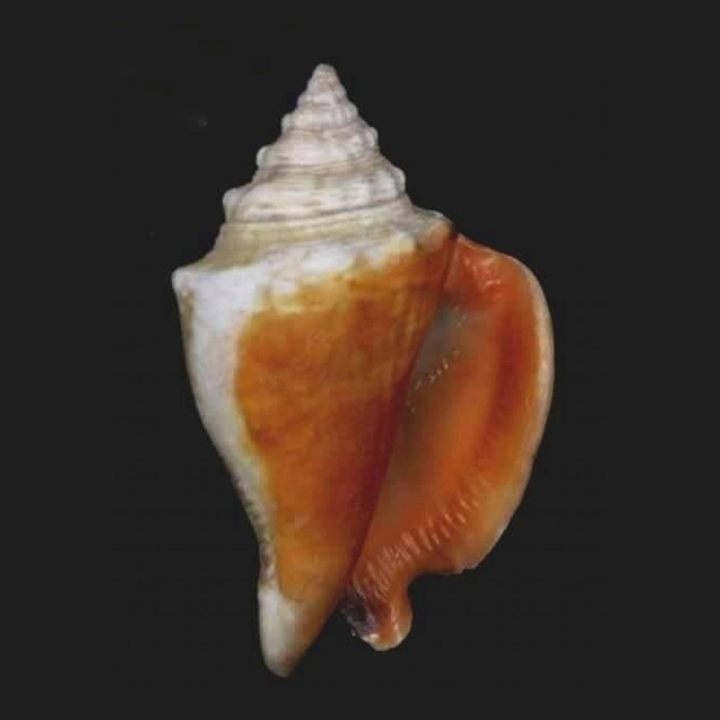
Notice the flared outer lip with a bright orange or purple glaze inside the aperture, accompanied by short shoulder spines along...
Read Field Guide →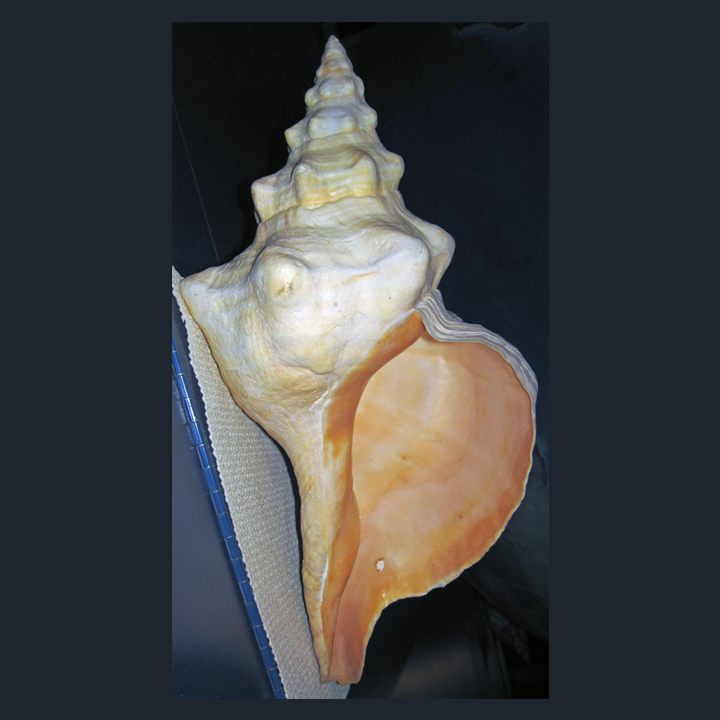
Look for a tall spindle shape with rounded knobs on each whorl, raised spiral cords, and a long siphonal canal. Juveniles are...
Read Field Guide →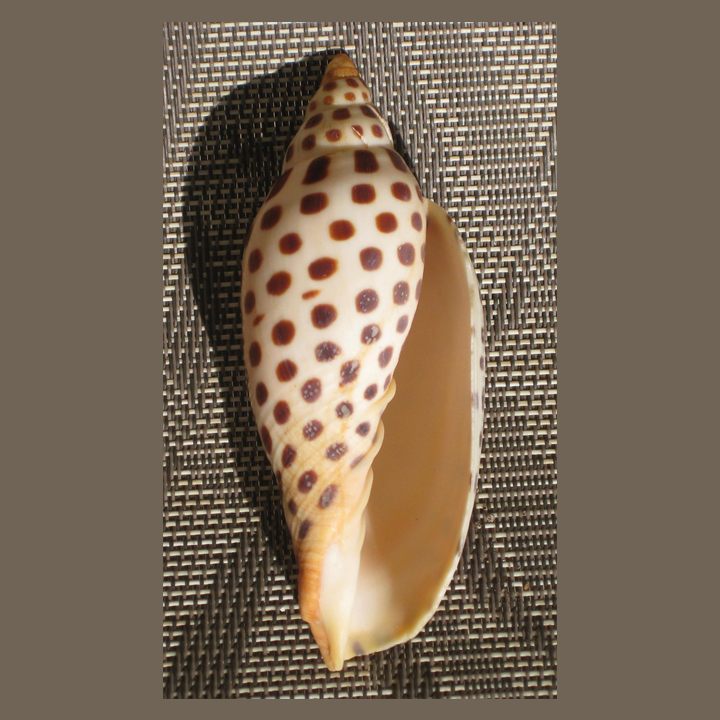
Notice the slender, spindle-shaped shell with geometric rows of square chocolate dots on a high spire. Do not confuse with the...
Read Field Guide →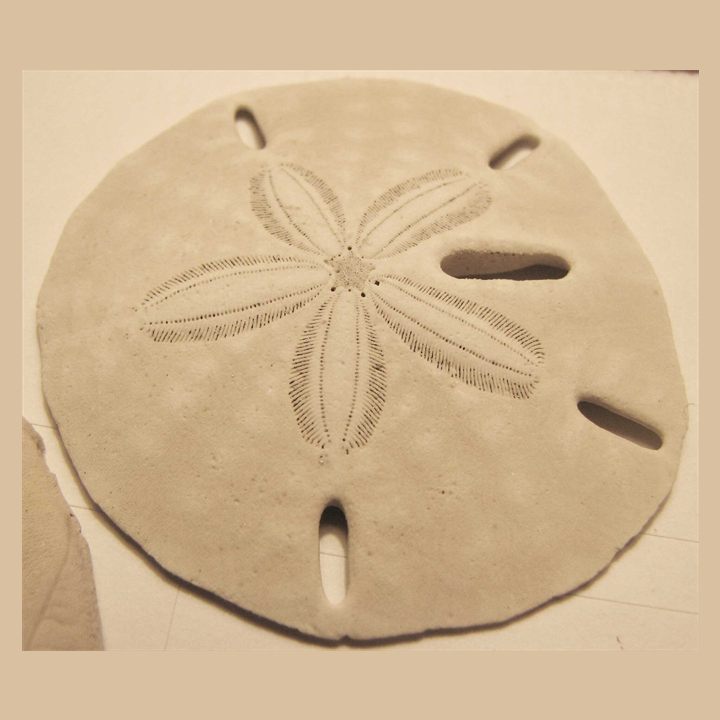
Bleached chalk-white specimens are dead tests safe to collect. If it is dark green, purple, or covered in soft velvet spines, it...
Read Field Guide →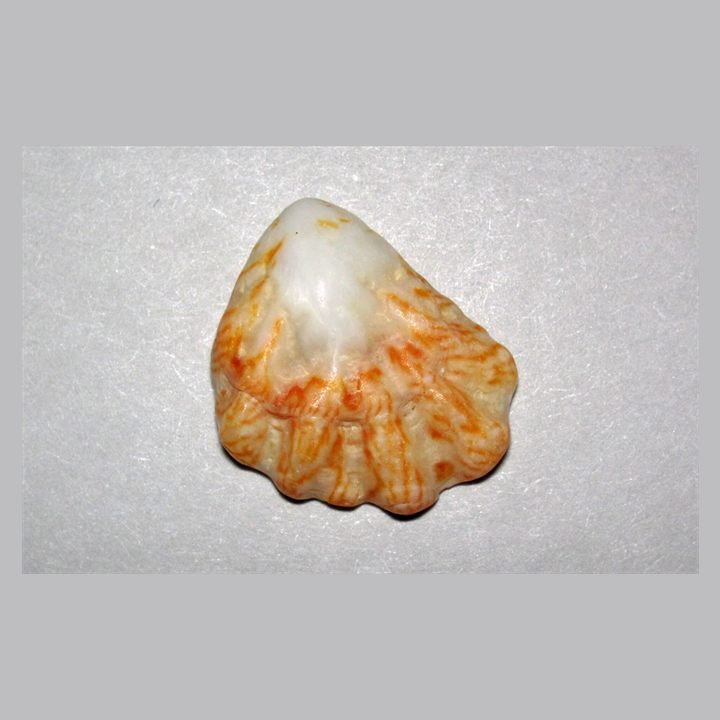
Count the ribs: there are only about 5 – 7 big, rounded folds ending in a strongly scalloped edge. It's much smaller than a...
Read Field Guide →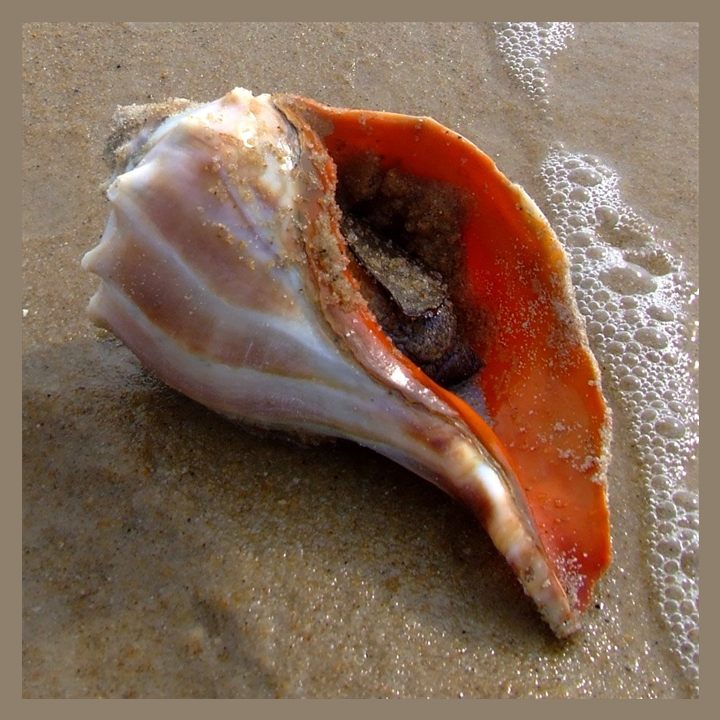
Hold apex UP: aperture opens to the RIGHT. Notice the row of sharp triangular horns/knobs around the body shoulder.
Read Field Guide →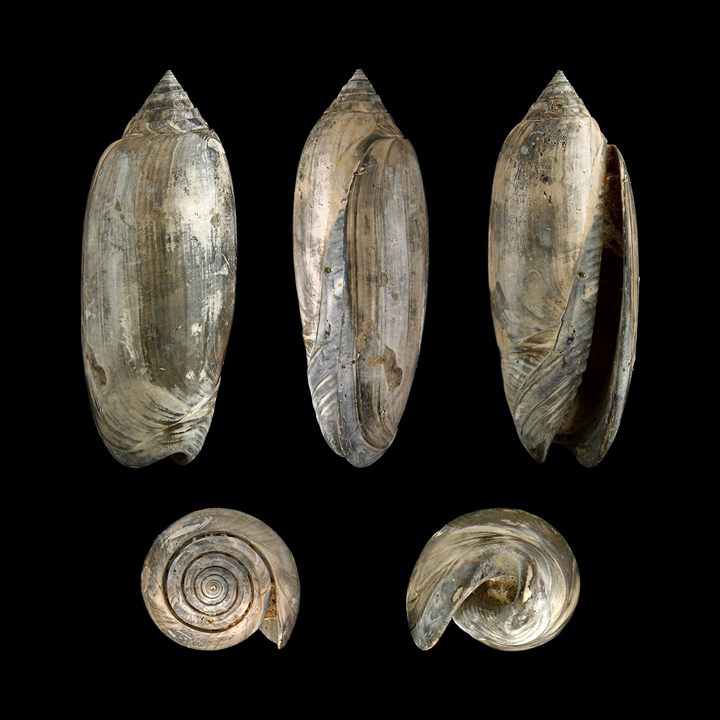
Look for small V-shaped mounds in wet sand as receding waves draw back. The natural porcelain finish requires no artificial...
Read Field Guide →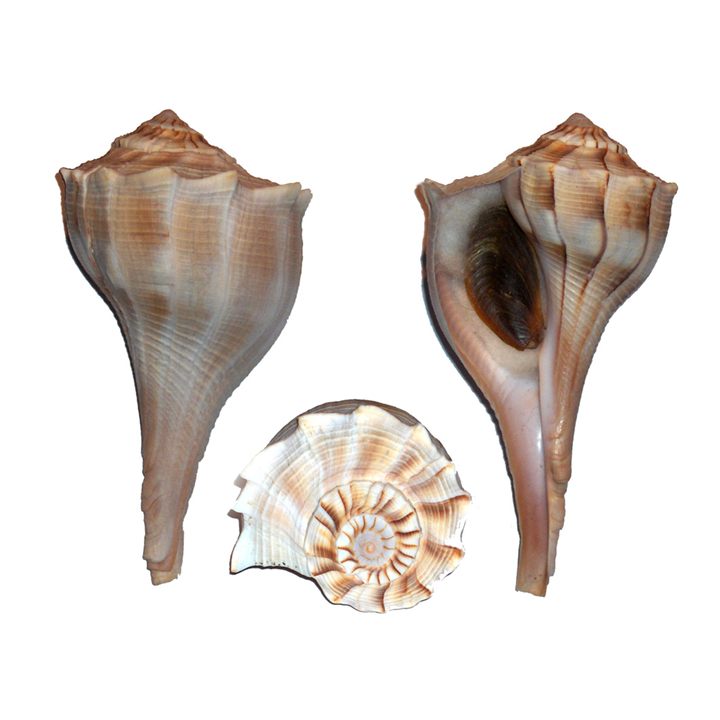
THE DEFINITIVE TEST: Hold the shell apex pointing UP. If the aperture opening is on your LEFT hand side, you have found a true...
Read Field Guide →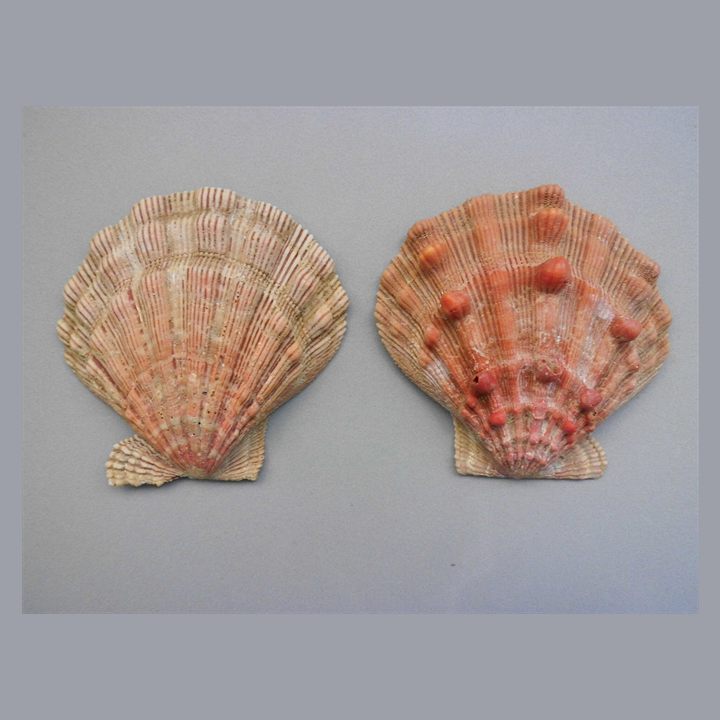
Look for massive raised bulbous knobs (nodes) along roughly 8–10 heavy ribs, bathed in deep brick-red, burnt orange, or rich...
Read Field Guide →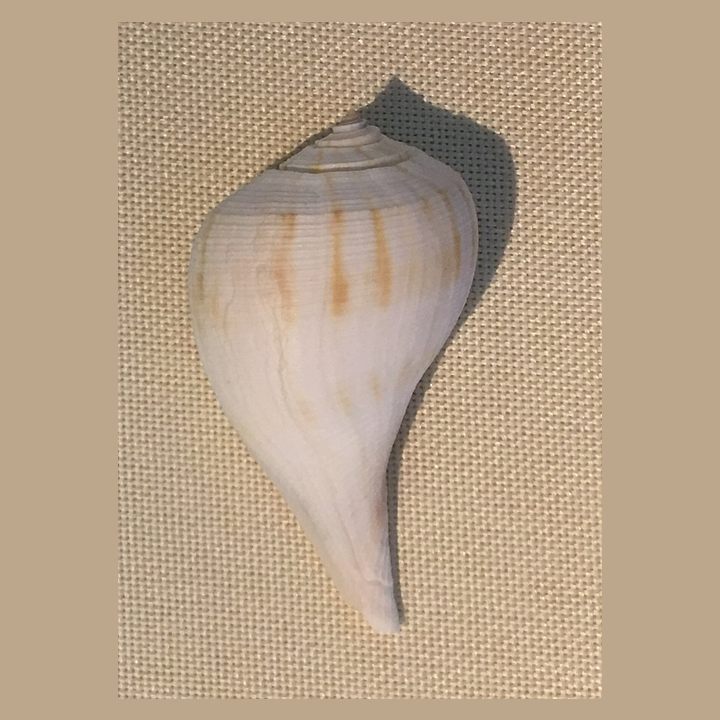
Hold it spire up: the aperture is on the RIGHT. Look for a groove (channel) running along the suture between whorls and smooth...
Read Field Guide →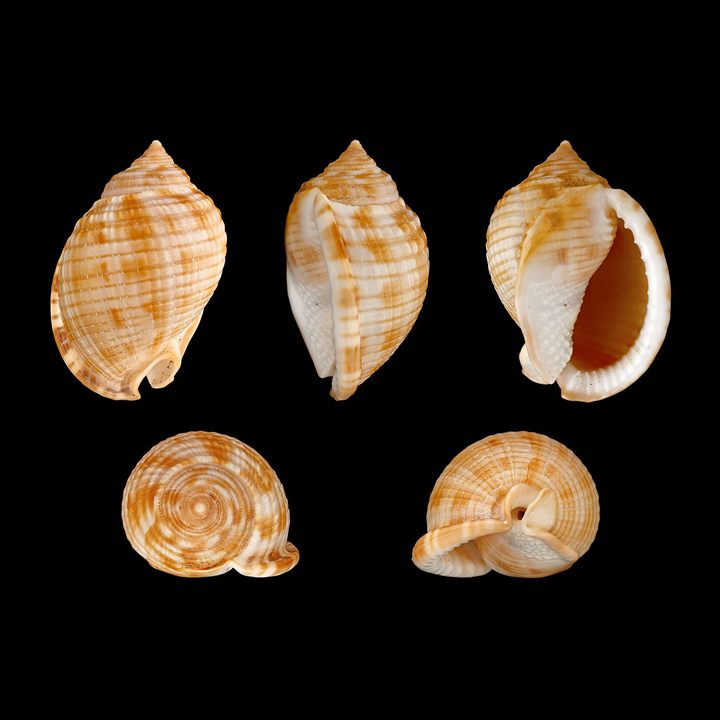
Unlike the slender Junonia, the Scotch Bonnet has a globose (rounded) helmet shape, a thick outer lip with small ridges, and...
Read Field Guide →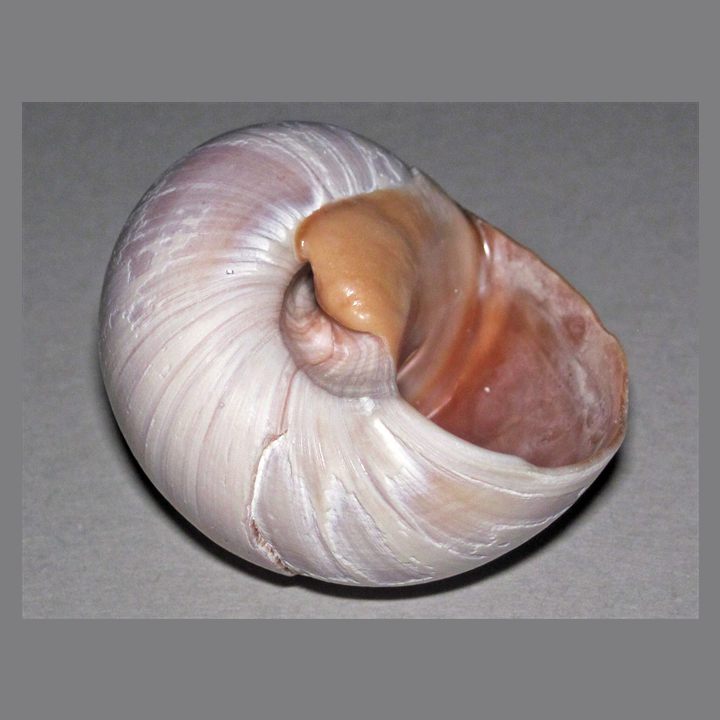
Look down on the spire: the whorls form a spiral 'eye' that is often bluish-grey. The shell is smooth, broad and globe-shaped...
Read Field Guide →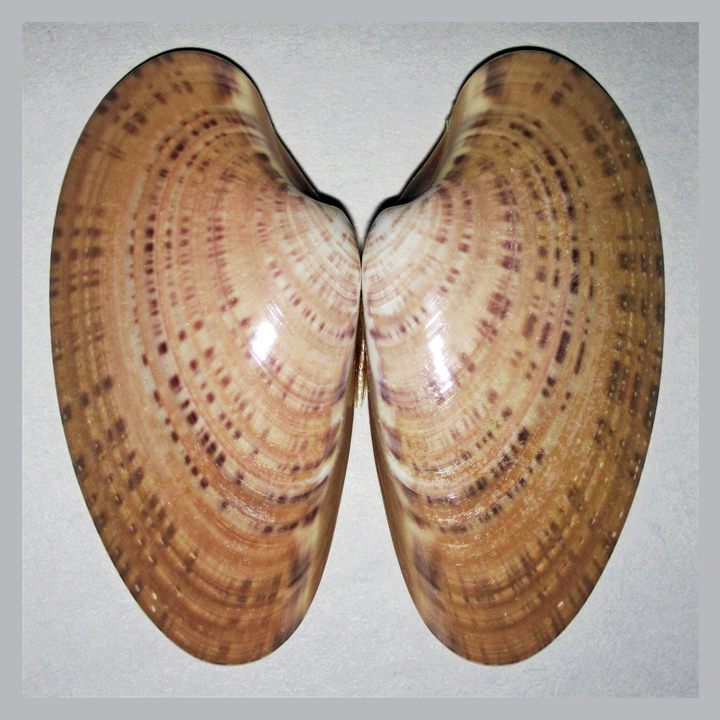
Look for an elongated, smooth, very glossy oval valve with broad lavender-pink or brown rays crossing fainter bands. It is much...
Read Field Guide →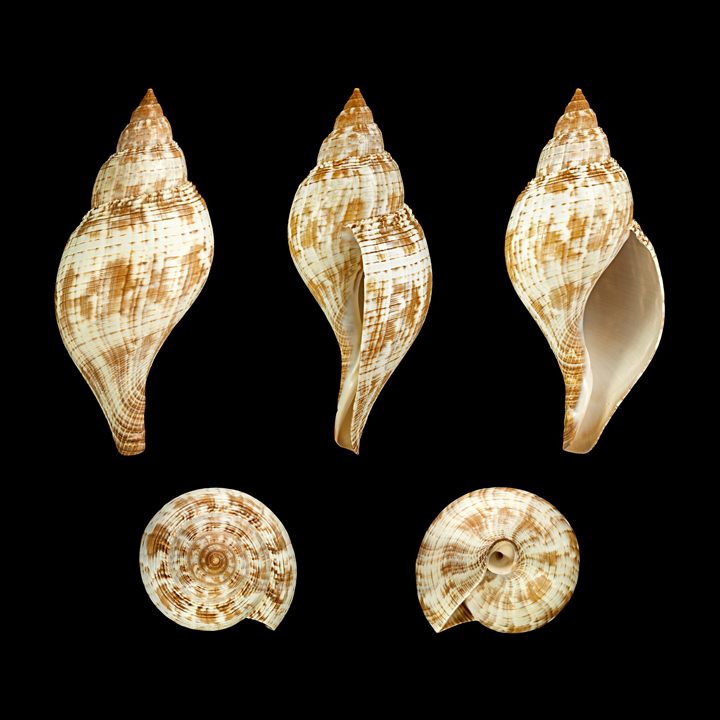
Compare the spiral lines: a True Tulip has many closely spaced, often broken lines, while a Banded Tulip has a few widely spaced...
Read Field Guide →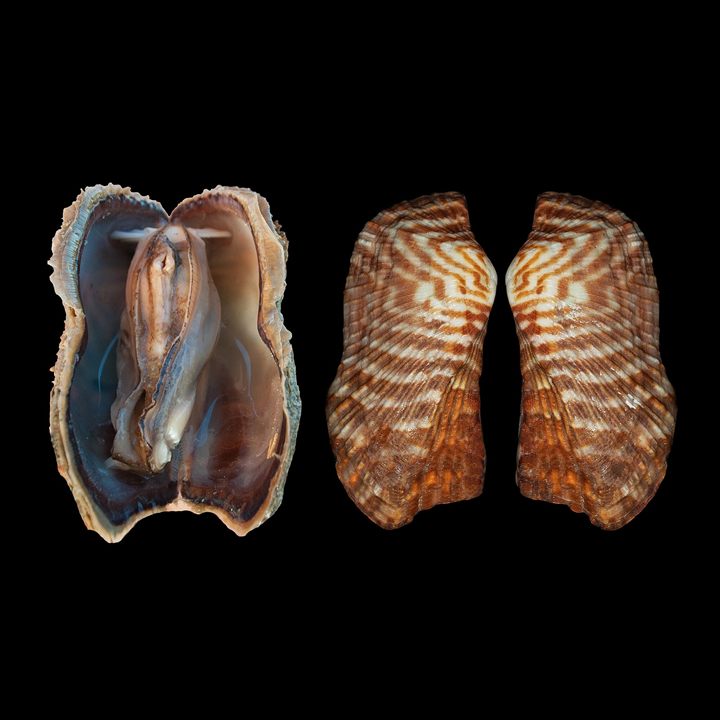
Look for an elongated, boxy shell with a long straight hinge lined with small comb-like teeth and reddish-brown zigzag stripes...
Read Field Guide →