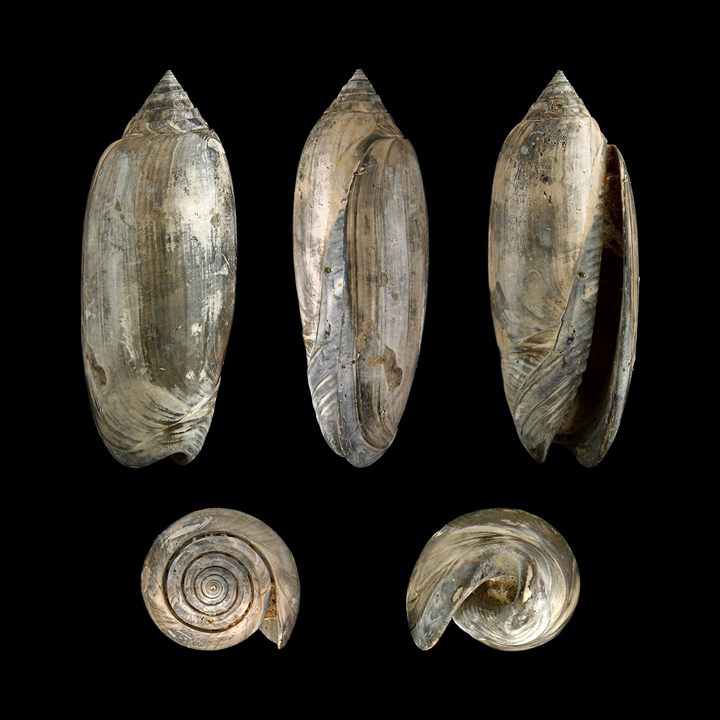
Photo: H. Zell, CC BY-SA 3.0, via Wikimedia Commons
Lettered Olive
- Typical size
- 2.0 – 2.75 in (5 – 7 cm)
- Group
- Gastropod (sea snail)
- Rarity
- Uncommon
- Habitat
- Buried shallowly beneath wet sand along the swash zone
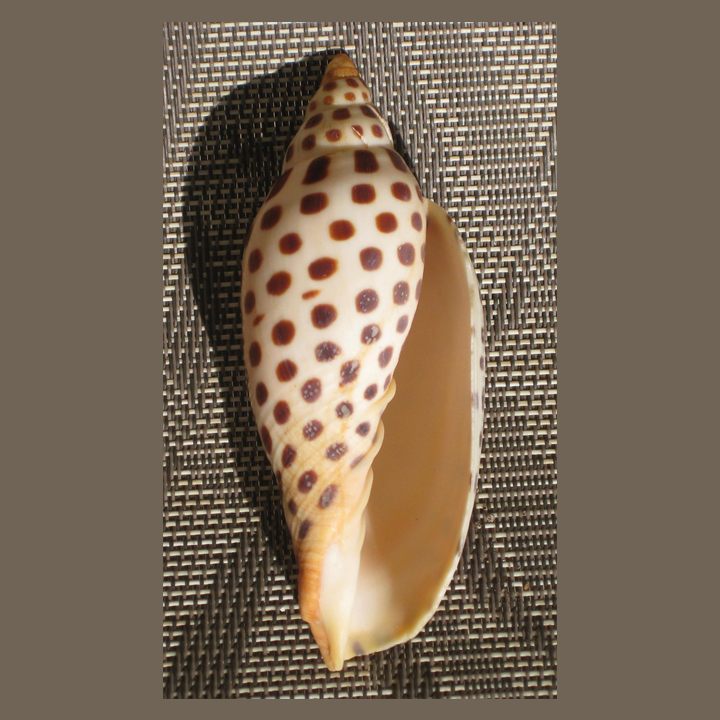
The official state shell of South Carolina. Highly polished cylindrical shell with tent-like zigzag markings resembling ancient calligraphic cuneiform writing.
Quick answer · Quick Identification Verdict
Look for small V-shaped mounds in wet sand as receding waves draw back. The natural porcelain finish requires no artificial polish.
Lettered Olive key facts
| Scientific name | Oliva sayana |
|---|---|
| Typical size | 2.0 – 2.75 in (5 – 7 cm) |
| Rarity | Uncommon |
| Where it lives | Buried shallowly beneath wet sand along the swash zone |
| Best chance to find one | Actively moving in the wet swash zone right at the low tide turn. |
| OK to collect? | Only if it is empty. If an animal is inside, return it to the water. Live shelling is banned in Lee County, Florida (Sanibel, Captiva, Fort Myers Beach). |
How to identify a Lettered Olive: Diagnostic Field Checklist
Confirm your find against these primary diagnostic characteristics:
- Smooth, glossy cylindrical bullet shape with short spire
- Long narrow aperture extending almost full length of shell
- Zigzag brown/chestnut markings resembling handwritten script
Where and when to find it
Actively moving in the wet swash zone right at the low tide turn.
Shelling ethics: only collect empty shells. If an animal is inside, return it to the water. Live shelling is banned in Lee County, Florida (Sanibel, Captiva, Fort Myers Beach).
Lettered Olive: common questions
How do I identify a Lettered Olive?
Look for small V-shaped mounds in wet sand as receding waves draw back. The natural porcelain finish requires no artificial polish.
Where and when are you most likely to find a Lettered Olive?
Actively moving in the wet swash zone right at the low tide turn.
Can I collect a Lettered Olive in Florida?
Only if it is empty. If an animal is inside, return it to the water. Live shelling is banned in Lee County, Florida (Sanibel, Captiva, Fort Myers Beach).