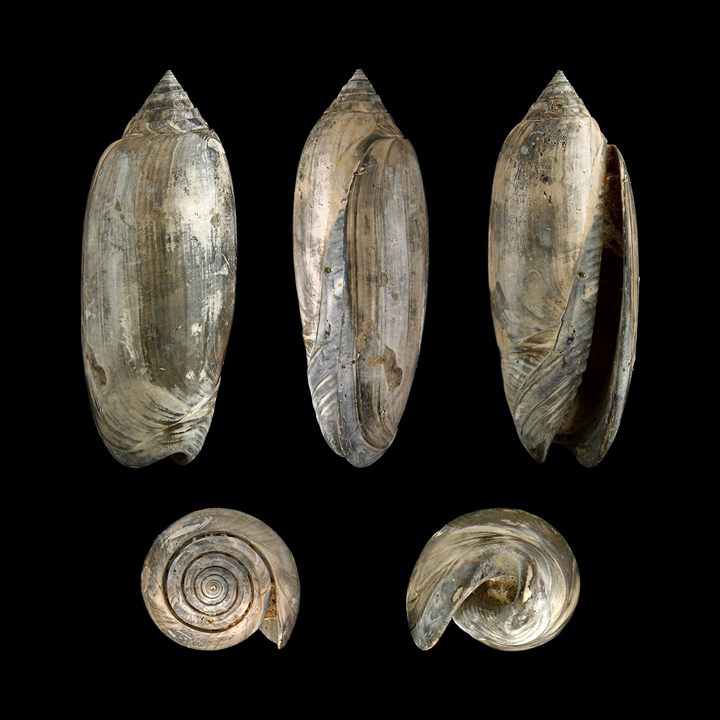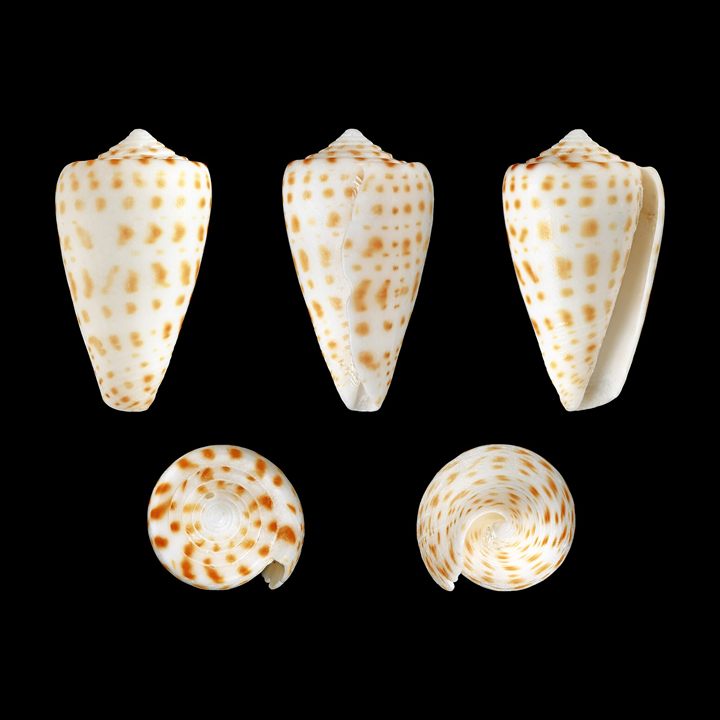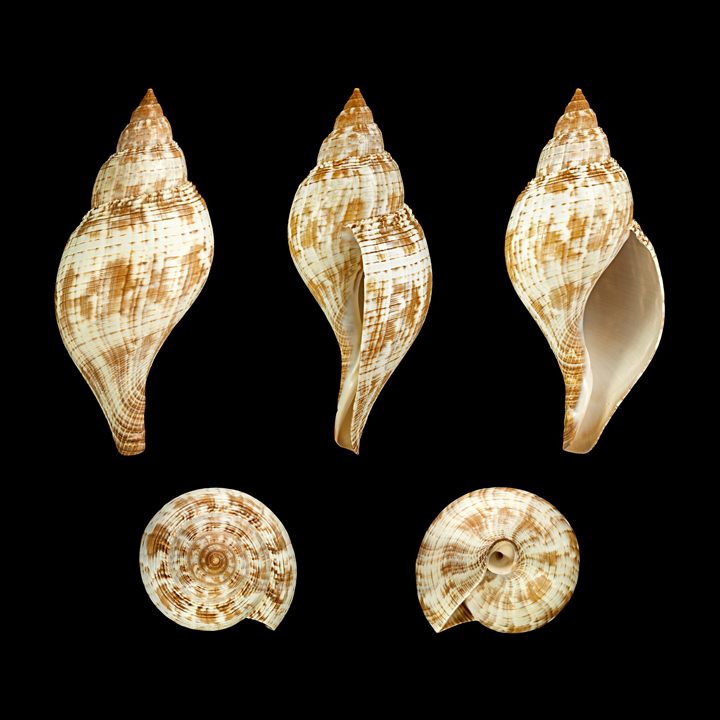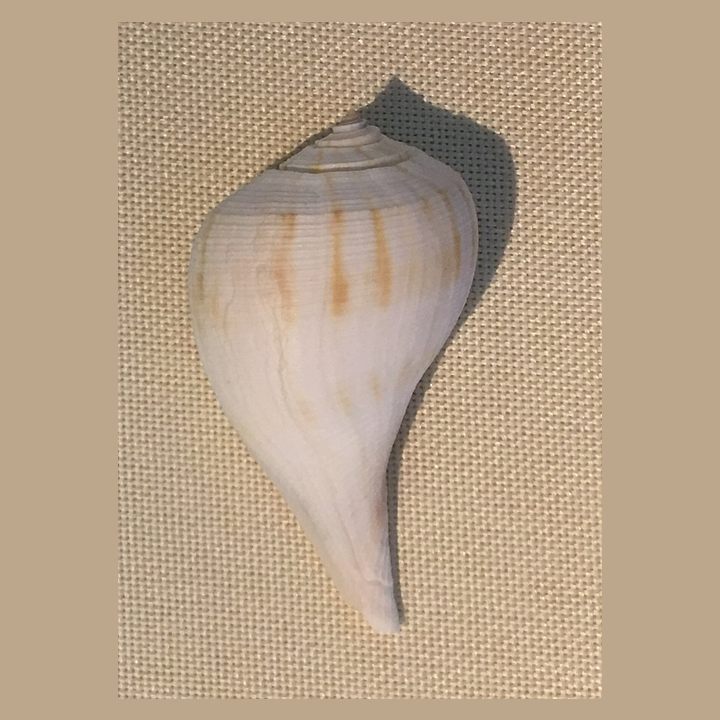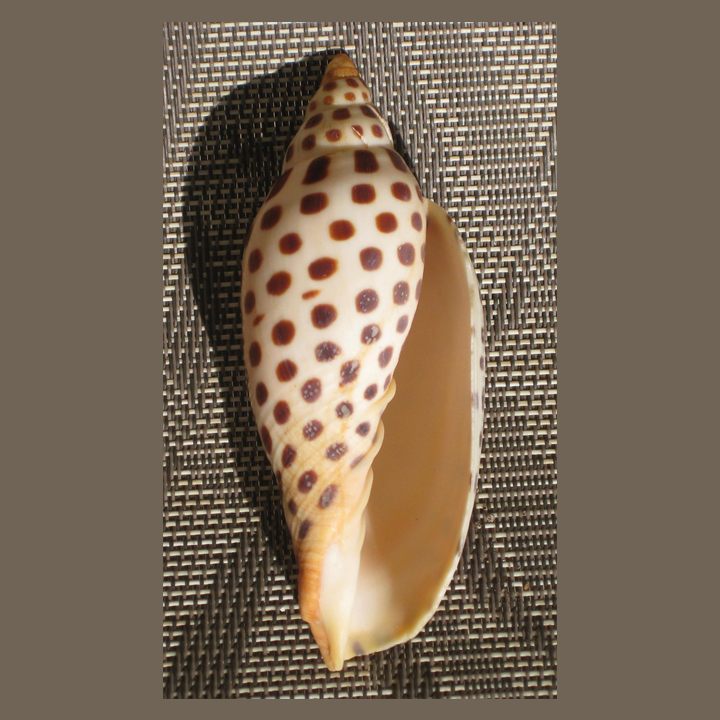
Notice the slender, spindle-shaped shell with geometric rows of square chocolate dots on a high spire. Do not confuse with the Scotch Bonnet, which is rounded and helmet-shaped.
Free printable 24-species seashell checklist for Sanibel Island, Captiva, and Gulf Coast beaches. Features identification hints, checkboxes, and conservation rules.
✨ Free & Open: Direct download. No email, sign-in, or payment required. Free for personal, family, school, and shell club use.
Harvesting live marine snails, bivalves, or echinoderms is strictly prohibited on Sanibel, Captiva, and across Lee County. Always inspect apertures, siphons, and the underside for living animals or hermit crabs. If any creature is inside, return it immediately and gently to the water. Only collect 100% empty, sun-bleached shells.

Notice the slender, spindle-shaped shell with geometric rows of square chocolate dots on a high spire. Do not confuse with the Scotch Bonnet, which is rounded and helmet-shaped.

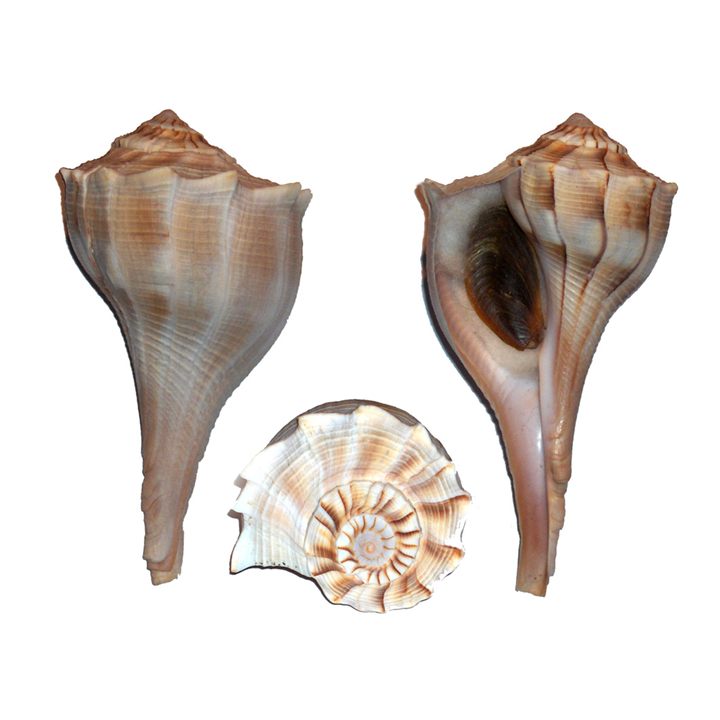
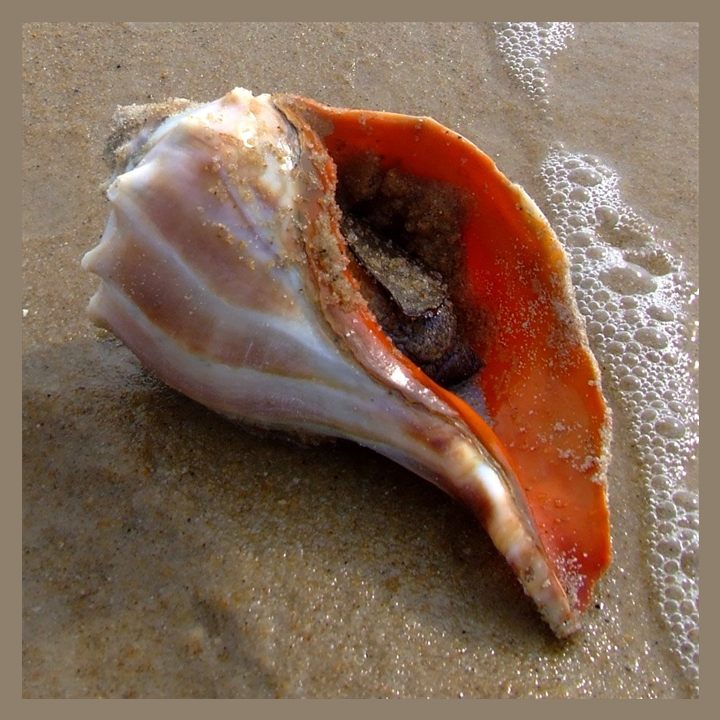
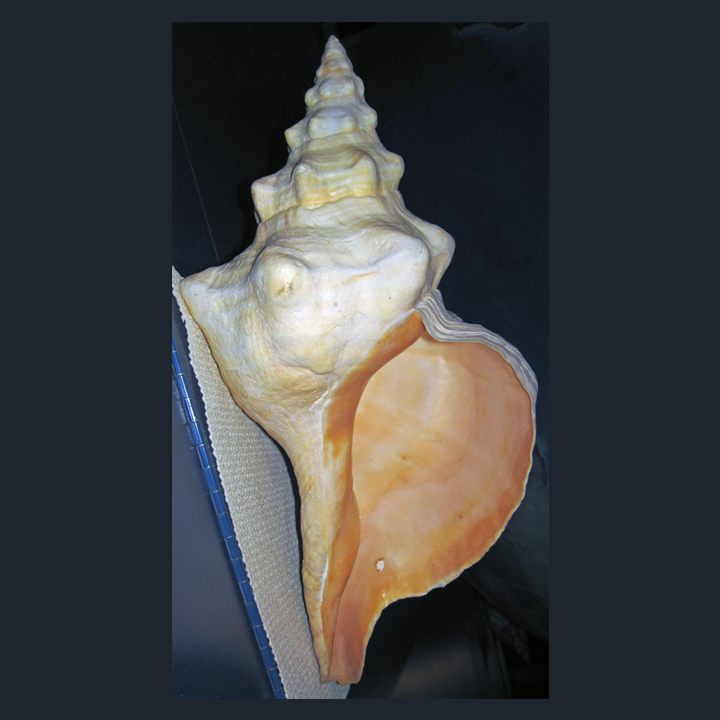
THE DEFINITIVE TEST: Hold the shell apex pointing UP. If the aperture opening is on your LEFT hand side, you have found a true Lightning Whelk! Knobbed whelks open on the right.

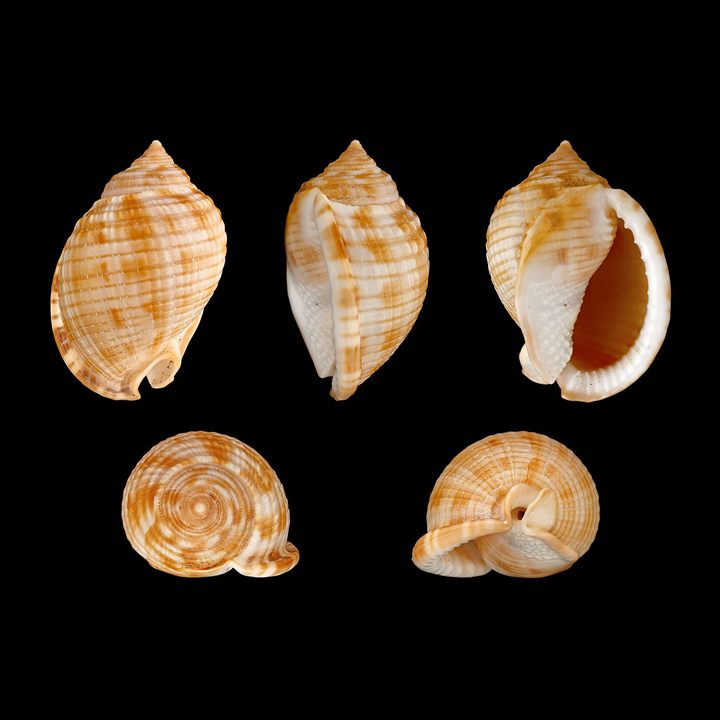
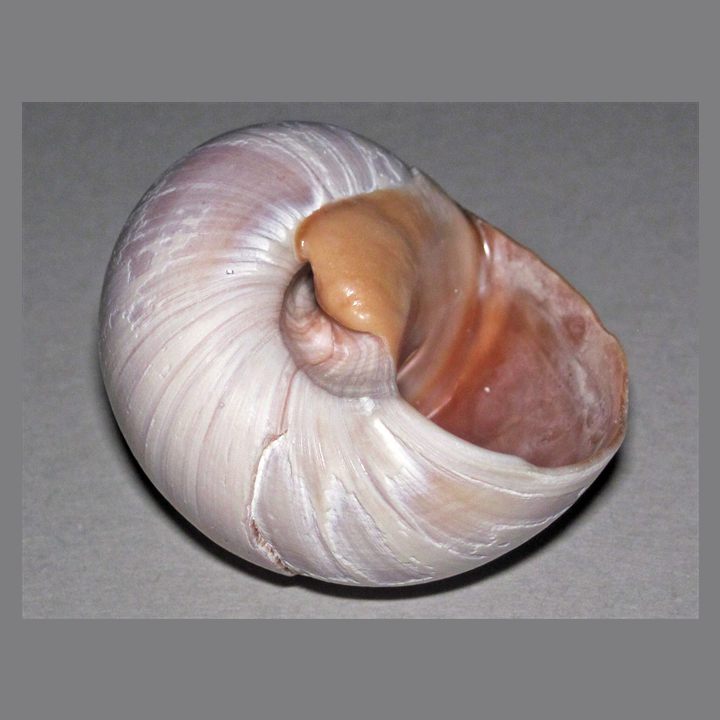
Unlike the slender Junonia, the Scotch Bonnet has a globose (rounded) helmet shape, a thick outer lip with small ridges, and amber-gold square checks.

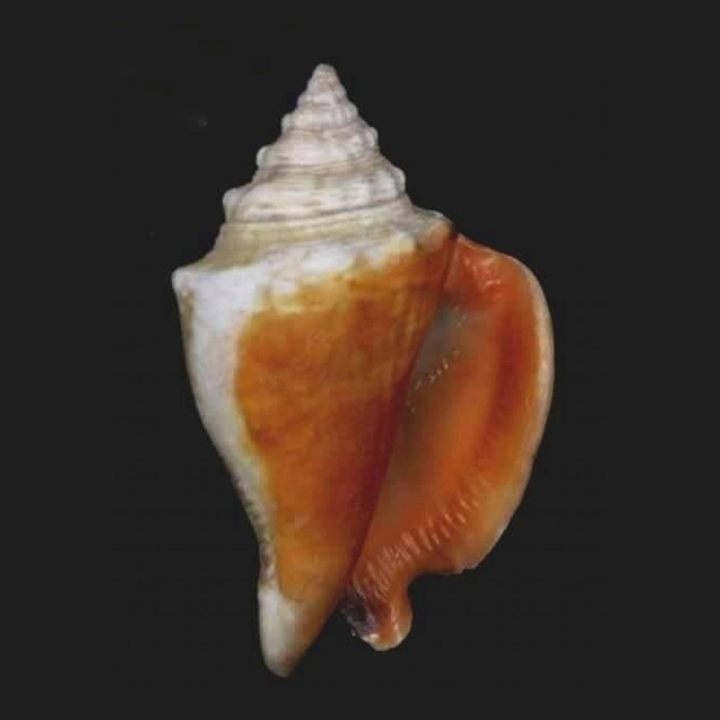
Notice the flared outer lip with a bright orange or purple glaze inside the aperture, accompanied by short shoulder spines along the body spire.

Look for small V-shaped mounds in wet sand as receding waves draw back. The natural porcelain finish requires no artificial polish.

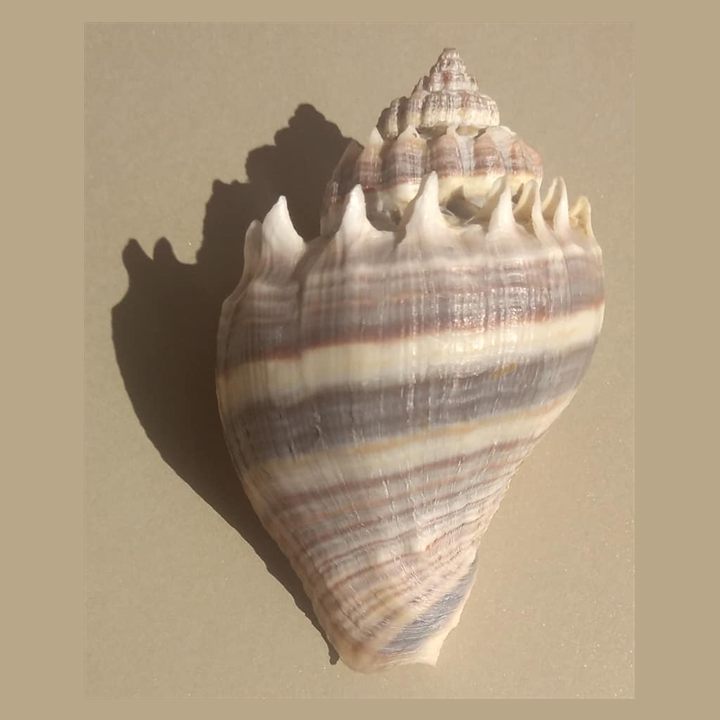
Hold apex UP: aperture opens to the RIGHT. Notice the row of sharp triangular horns/knobs around the body shoulder.

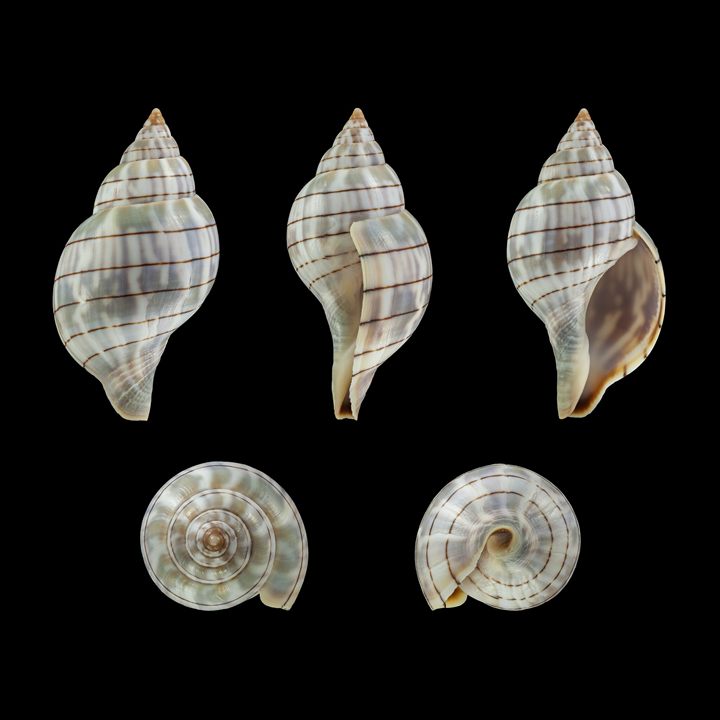
Notice the widely spaced, sharp continuous dark parallel lines. The True Tulip has more crowded, broken lines.

Flat, almost level spire top with sharp shoulder angles tapering down to a narrow base.

Look for one or more rows of sharp, curved spines on the shoulder, often with a second row near the base. The aperture is wide and pale, without the glossy orange of a Fighting Conch.

Look down on the spire: the whorls form a spiral 'eye' that is often bluish-grey. The shell is smooth, broad and globe-shaped, and a large brown callus partly covers the navel (umbilicus) beside the half-moon aperture.

Look for a tall spindle shape with rounded knobs on each whorl, raised spiral cords, and a long siphonal canal. Juveniles are vivid orange. Tulips are smaller and smoother, without knobs.

Compare the spiral lines: a True Tulip has many closely spaced, often broken lines, while a Banded Tulip has a few widely spaced, unbroken dark bands. True Tulips also grow much larger.

Hold it spire up: the aperture is on the RIGHT. Look for a groove (channel) running along the suture between whorls and smooth, rounded shoulders without knobs.

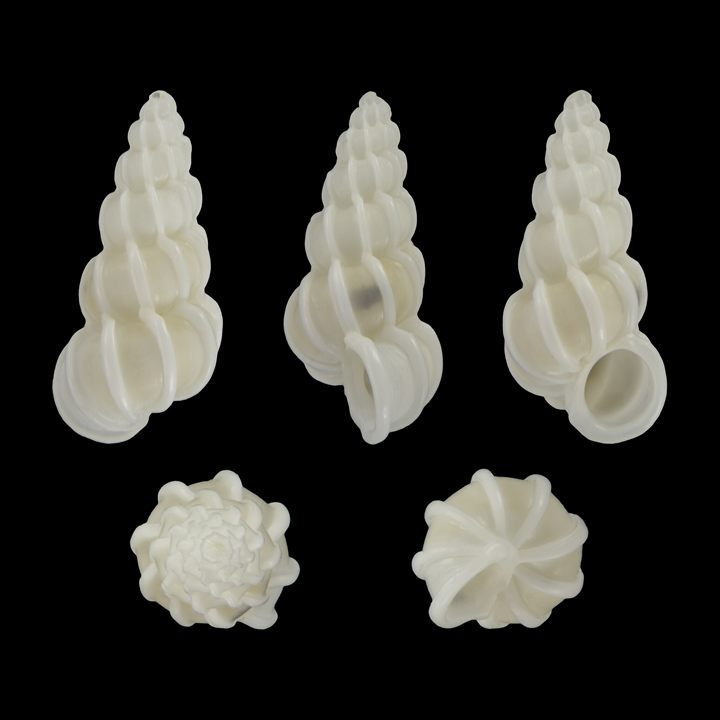
Look for a tall, pointed white spire with sharp vertical ribs that line up from whorl to whorl, and a round aperture with a thickened lip. Use a hand lens: most are under an inch long.

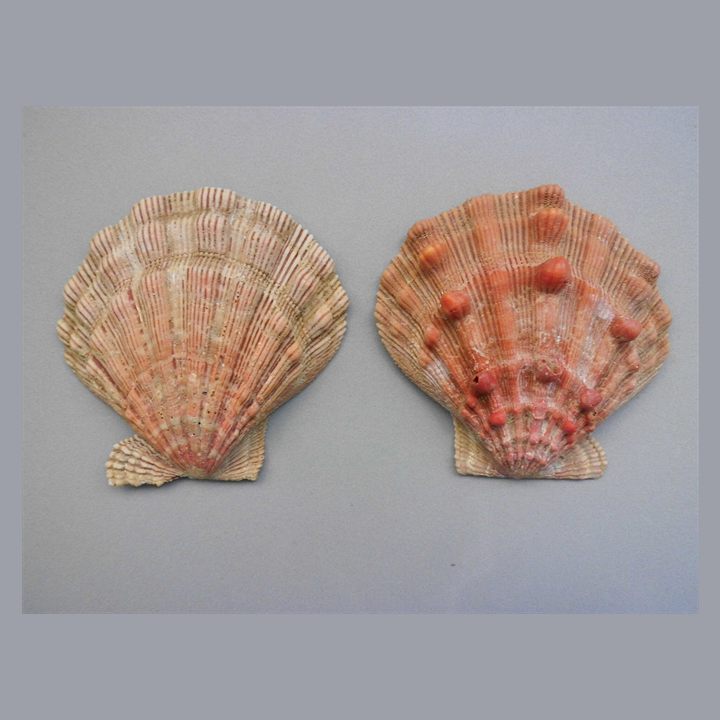
Look for massive raised bulbous knobs (nodes) along roughly 8–10 heavy ribs, bathed in deep brick-red, burnt orange, or rich crimson colors.

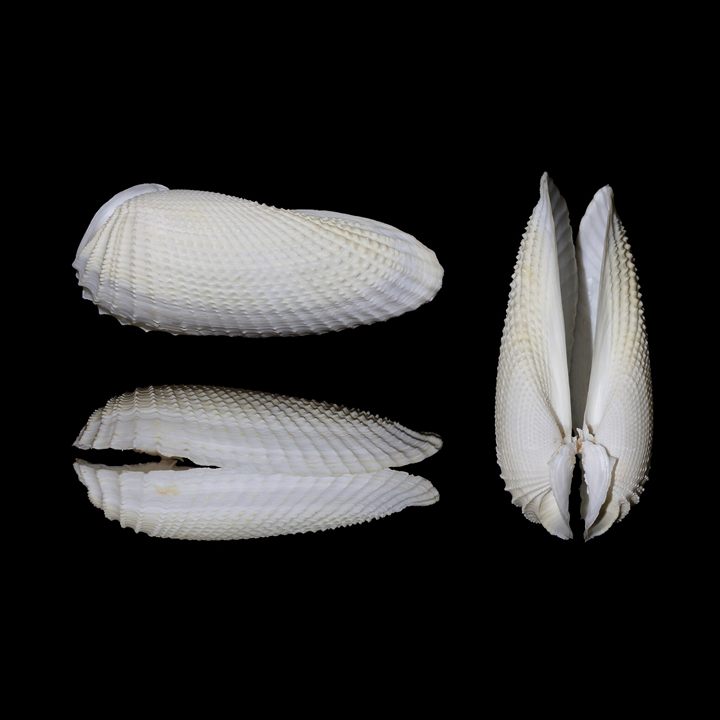
Extremely brittle porcelain white shell. Finding both valves intact together is an extraordinary beachcomber triumph.

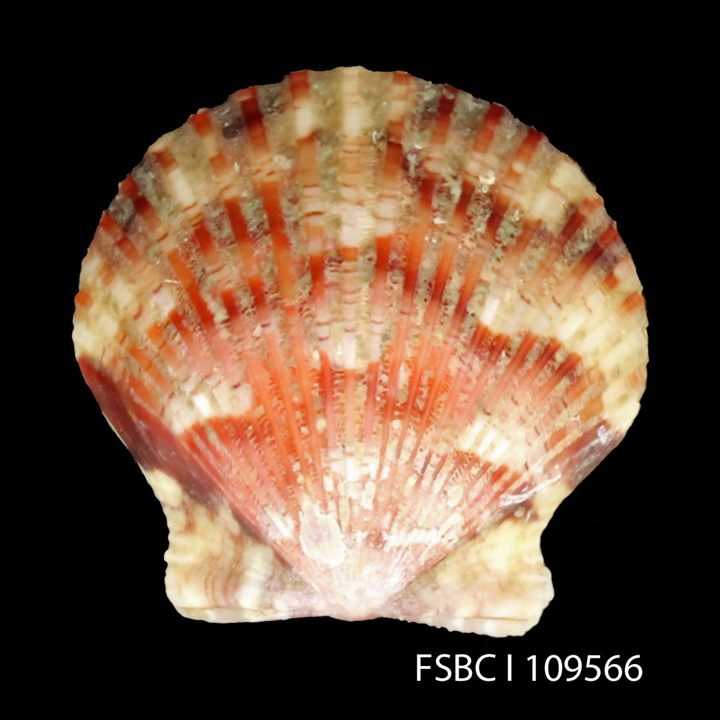
Distinguished by roughly 20 radiating rounded ribs with symmetrical wing-like 'ears' (auricles) at the hinge.

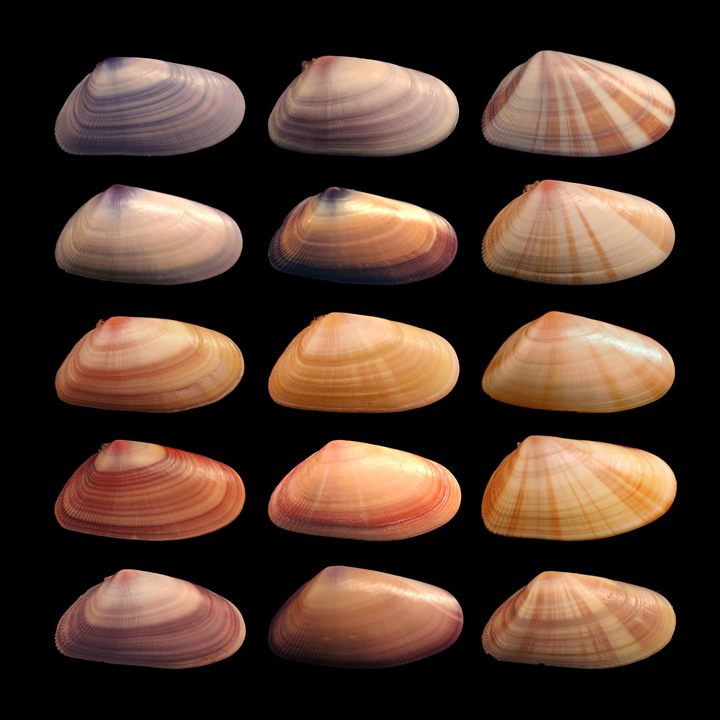
Look for a small, glossy, wedge-shaped valve with one end longer than the other, often with color rays spreading from the hinge. The inner edge is finely toothed.

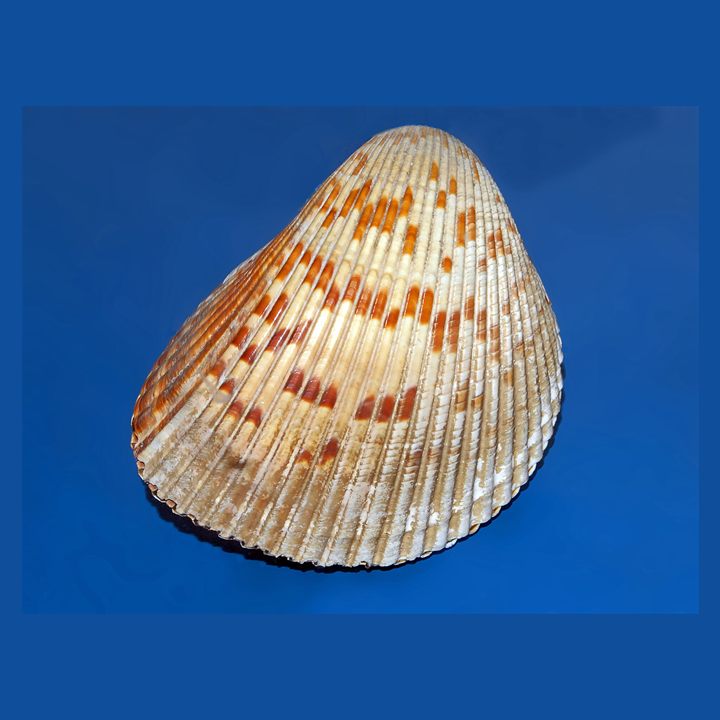
Look for a deep, inflated, heart-shaped valve with many evenly spaced radial ribs and a scalloped edge. Unlike scallops, it has no ear-like wings at the hinge.

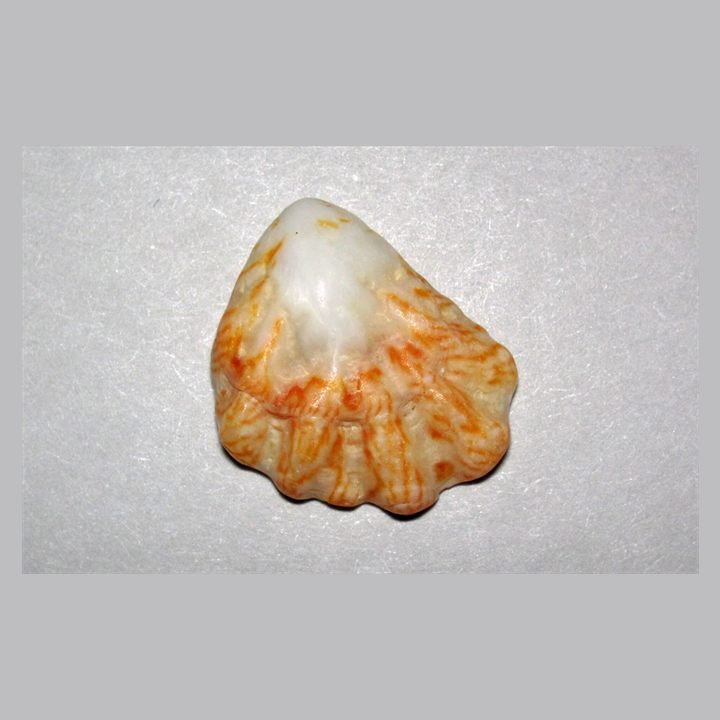
Count the ribs: there are only about 5 – 7 big, rounded folds ending in a strongly scalloped edge. It's much smaller than a Lion's Paw and has no ear-like wings at the hinge.

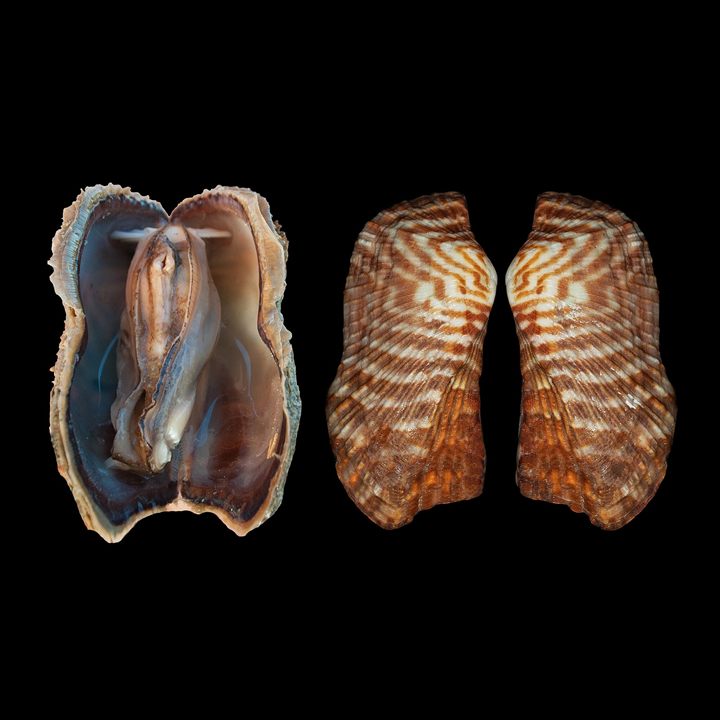
Look for an elongated, boxy shell with a long straight hinge lined with small comb-like teeth and reddish-brown zigzag stripes. Fine ribs run across the surface.

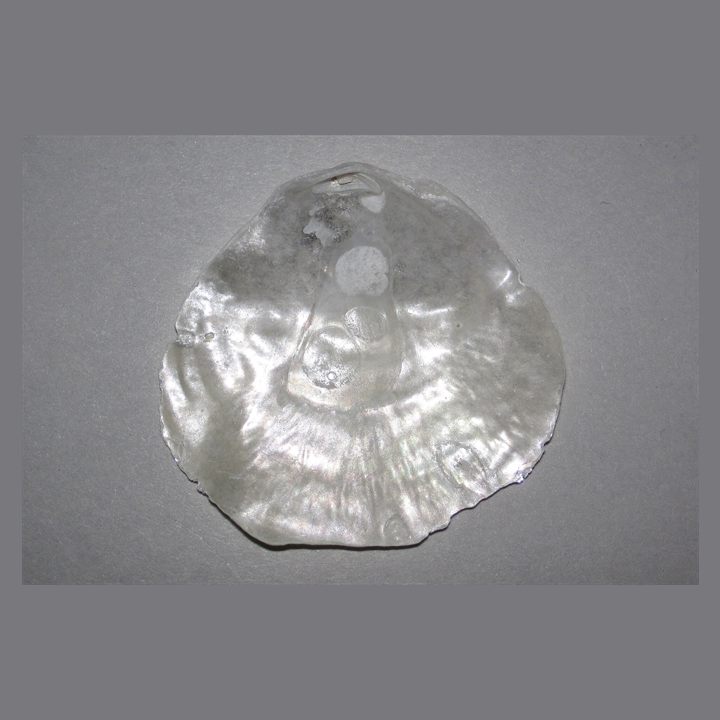
Look for a thin, glossy, irregular oval valve with a pearly sheen. The flat lower valve has a hole near the hinge; the domed upper valve doesn't. Black ones were stained by buried sediment.

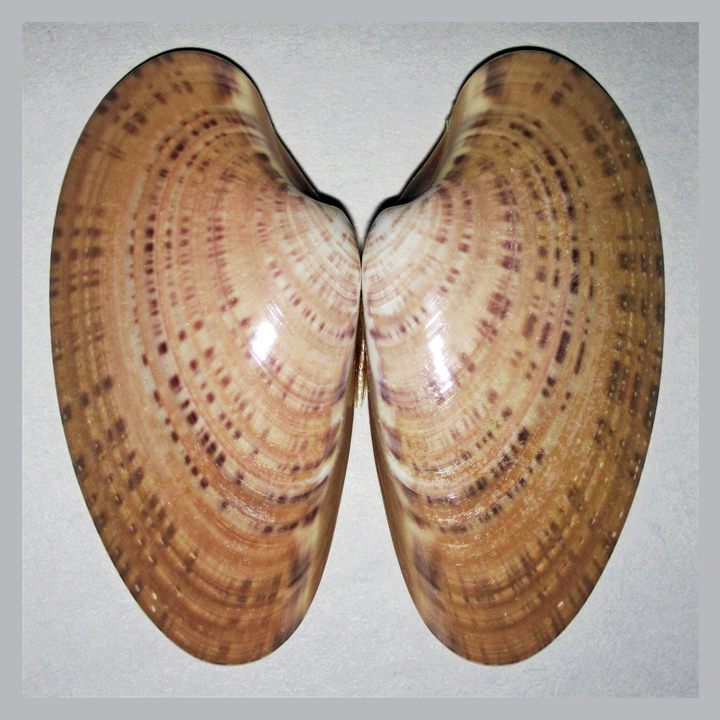
Look for an elongated, smooth, very glossy oval valve with broad lavender-pink or brown rays crossing fainter bands. It is much larger and longer than a coquina and smooth rather than ribbed.

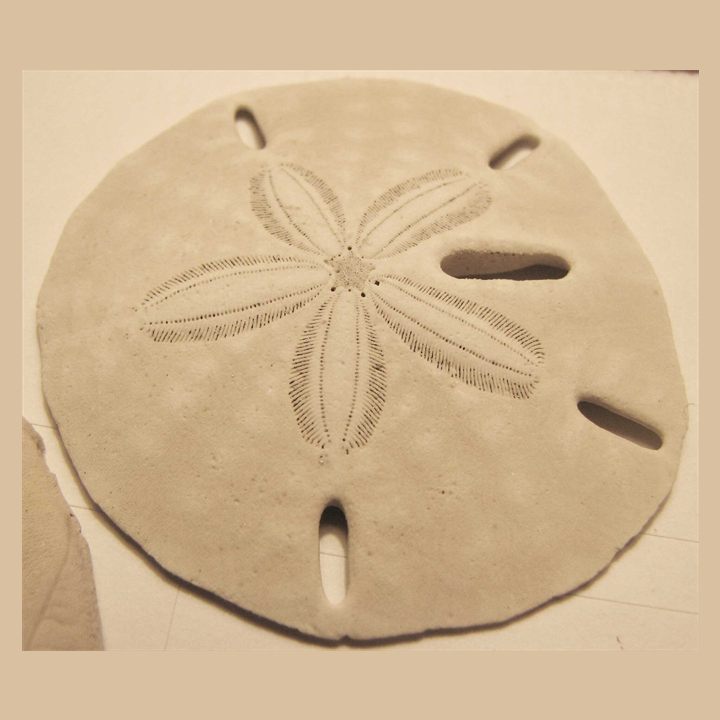
Bleached chalk-white specimens are dead tests safe to collect. If it is dark green, purple, or covered in soft velvet spines, it is alive and must stay in the water.
Scan this QR code while beachcombing to access high-resolution diagnostic anatomy photographs, live NOAA Station 8725383 tide predictions, lookalike comparison keys, and our 3-step visual identification key on your mobile device.
Taxonomic classifications verified against the World Register of Marine Species (WoRMS). Research grounded in Bailey-Matthews National Shell Museum and Florida Museum of Natural History publications. Specimen photographs are licensed via Wikimedia Commons (CC BY / CC BY-SA).
Direct URL: https://shellingshelling.com/shells/